
Tag: guide
-
How to Extend the Life of Your HVAC System
Your HVAC system is the unsung hero of your home, tirelessly working behind the scenes to keep you comfortable year-round. But like any hardworking machine, it needs some TLC to ensure it runs efficiently for as long as possible. Extending the life of your HVAC system isn’t just about avoiding costly repairs; it’s also about creating a cozy environment and saving on energy bills. So how can you maximize its lifespan? Let’s dive into some essential tips that will help your heating and cooling system thrive for years to come.
Schedule Regular Professional Maintenance
Scheduling regular professional maintenance is crucial for the longevity of your HVAC system. Think of it as a health check-up for your home’s climate control unit. A trained technician can spot potential issues before they escalate, saving you both time and money. During these visits, experts will clean essential components, lubricate moving parts, and ensure everything is in optimal working condition. This not only enhances efficiency but also improves indoor air quality. It’s recommended to have maintenance performed at least twice a year—once before heating season and once before cooling season. Establishing this routine helps keep your system running smoothly while giving you peace of mind that you’re prepared for seasonal changes.
Keep Your Air Ducts Clean and Sealed
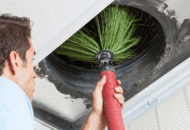
Air ducts play a critical role in your HVAC system’s efficiency. When they are dirty, dust and allergens can circulate throughout your home. This not only affects air quality but also makes your system work harder to maintain the desired temperature. Using the right air duct cleaning equipments are essential for thoroughly removing debris and ensuring the ducts are properly cleaned. Cleaning air ducts regularly helps improve airflow. It allows the system to operate more efficiently, which can save you money on energy bills over time. Sealing any leaks is equally important. If there are gaps or holes in the ductwork, conditioned air escapes before reaching its destination. Sealed ducts mean that every bit of heated or cooled air goes exactly where it should.
Change Filters Frequently
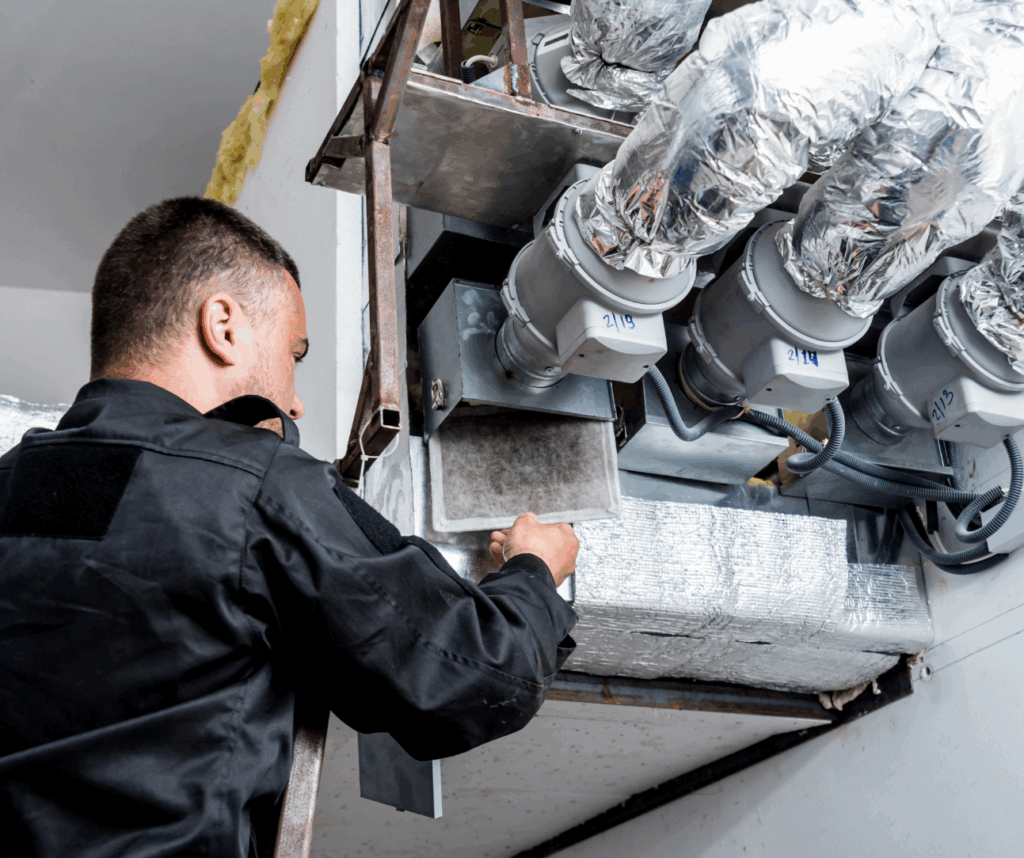
Changing your HVAC filters regularly is one of the simplest yet most effective ways to keep your system running smoothly. Dirty filters block airflow, forcing the unit to work harder. This not only strains the system but also leads to higher energy bills. Aim to check your filters monthly, especially during peak usage seasons. You might need to change them more often if you have pets or allergies in the home. A clean filter can significantly improve indoor air quality by trapping dust, pollen, and other pollutants. Choosing the right filter matters too. Look for options with a high MERV rating for better filtration without restricting airflow excessively.
Manage Your Thermostat Settings Wisely
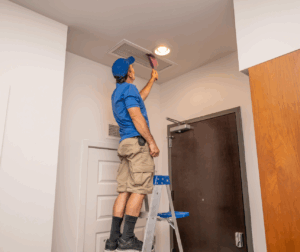 Managing your thermostat settings is crucial for maximizing HVAC efficiency. Smart adjustments can lead to significant energy savings. During the summer, set your thermostat a few degrees higher when you’re away. This simple change reduces strain on your system while keeping costs down. In winter, lowering it slightly can provide similar benefits. Consider investing in a programmable or smart thermostat. These devices allow you to schedule temperature changes based on your routine. You’ll avoid unnecessary heating or cooling when no one is home.
Extending the life of your HVAC system is both practical and achievable. By scheduling regular professional maintenance, you can identify and fix issues before they become major problems. Changing filters frequently helps maintain air quality while improving efficiency. Keeping air ducts clean and sealed prevents energy loss, ensuring that your system doesn’t have to work harder than necessary. Additionally, managing thermostat settings wisely leads to significant energy savings without sacrificing comfort. Taking these steps not only enhances the lifespan of your HVAC unit but also contributes to a healthier living environment. With a little effort, you can enjoy reliable heating and cooling for years to come.…
-

3 Benefits to Owning a Second Home
Do you dream of owning a second home? There are many benefits to doing so. In this blog post, we will discuss four of them. Owning a second home can be a great investment. It can provide you with additional income, it can be a place to escape the hustle and bustle of everyday life, and it can serve as a retirement plan.
Income Potential
 One of the main benefits of owning a second home is that it can provide you with additional income. You can rent out your second home to vacationers or long-term tenants. This extra income can help you pay off your mortgage, property taxes, and other expenses associated with owning a second home.
If you are considering purchasing a second home, consider the income potential it could provide you with. If you live in a busy city, having a second home in a more rural area can provide much-needed peace. If you live in a hot climate, owning a second home in a cooler location can be a great way to escape the heat during the summer months.
Long-Term Profits
Owning a second home can be a great long-term investment. If you purchase a property in a desirable location, you can expect the value of your home to increase over time. This appreciation can provide you with a nice nest egg for retirement or other future expenses. Another benefit of owning a second home is the potential for rental income. If you’re not using your second home all the time, you can rent it out to generate additional income. This rental income can help offset the costs of owning a second home, such as mortgage payments, property taxes, and maintenance expenses.
Tax Advantages
One of the biggest financial advantages of owning a second home is the potential tax deductions you can claim. Interest paid on your mortgage, property taxes, and even some costs associated with maintaining your second home may be deductible come tax time. Consult with a tax professional to see how owning a second home could lower your overall tax burden.
Retirement Head Start
 One of the best benefits of owning a second home is getting a head start on your retirement. This is especially true if you purchase a second home in an area that’s cheaper to live in than where you currently reside. For example, let’s say you live in Los Angeles and purchase a second home in Palm Springs.
Not only will your cost of living be lower in Palm Springs, but you’ll also get to enjoy all the amazing amenities that come with living in a retirement community. This includes access to golf courses, swimming pools, and tennis courts. Owning a second home can provide several benefits, including additional income, long-term profits, tax deductions, and a retirement head start. If you are considering purchasing a second home, consider carefully weighing the pros and cons to see if it is the right decision.…
-

Top Features of the Best Lead-Generating Real Estate Websites
If you’re a real estate agent, you know that having a great website is essential for generating leads. This blog post will discuss the top features of the best real estate investor websites. We’ll also provide tips on creating a website that will help you attract more clients!
Great Content
 One of the essential features of a lead-generating real estate website is great content. Your website should be packed full of helpful information for potential clients. This could include articles on buying and selling homes, market trends, or tips for remodelling your home. By providing valuable content, you can help convince visitors to become leads.
Make sure your website is updated regularly with fresh content. This will help you rank higher in search engines and keep visitors coming back. You can post blog articles, list new properties, or share helpful tips for buyers and sellers.
Compelling Design
Your website’s design is one of the first things people will notice, so it needs to be compelling. It should also be easy to navigate so that visitors can find what they’re looking for quickly. Make sure your website is responsive so it looks good on all devices. You may also consider using a real estate specific theme or template.
Easy Navigation
One of the essential features of an excellent real estate website is easy navigation. The site should be easy to use, with clear menus and buttons. Visitors should quickly find the information they need without getting lost or frustrated. You have to think about the user experience when designing your site. Your forms should be prominently displayed on your website so that visitors can easily fill them out and submit their contact information. The best real estate websites make it easy for visitors to contact an agent or broker.
High-Quality Photos
 Another important feature of a good real estate website is high-quality photos. People want to see pictures of the properties they’re interested in, and they want to get a sense of what the property looks like. You should showcase your best photography on your website and ensure that the photos are clear and well-lit.
If you don’t have good pictures of your properties, it’s worth hiring a professional photographer to take some for you. When you are looking for a new real estate website or considering a redesign of your current site, be sure to keep the following features in mind. Your website is one of your most powerful lead-generation tools, so make sure it’s up to par! Have you seen other great features on real estate websites that we didn’t mention? Let us know in the comments below.…